Kyoto Ryokan Artistry: Geometry, Cedar, and Hot Spring Solitude
Published November 02, 2024 • 10 min read • Dispatches from Kansai
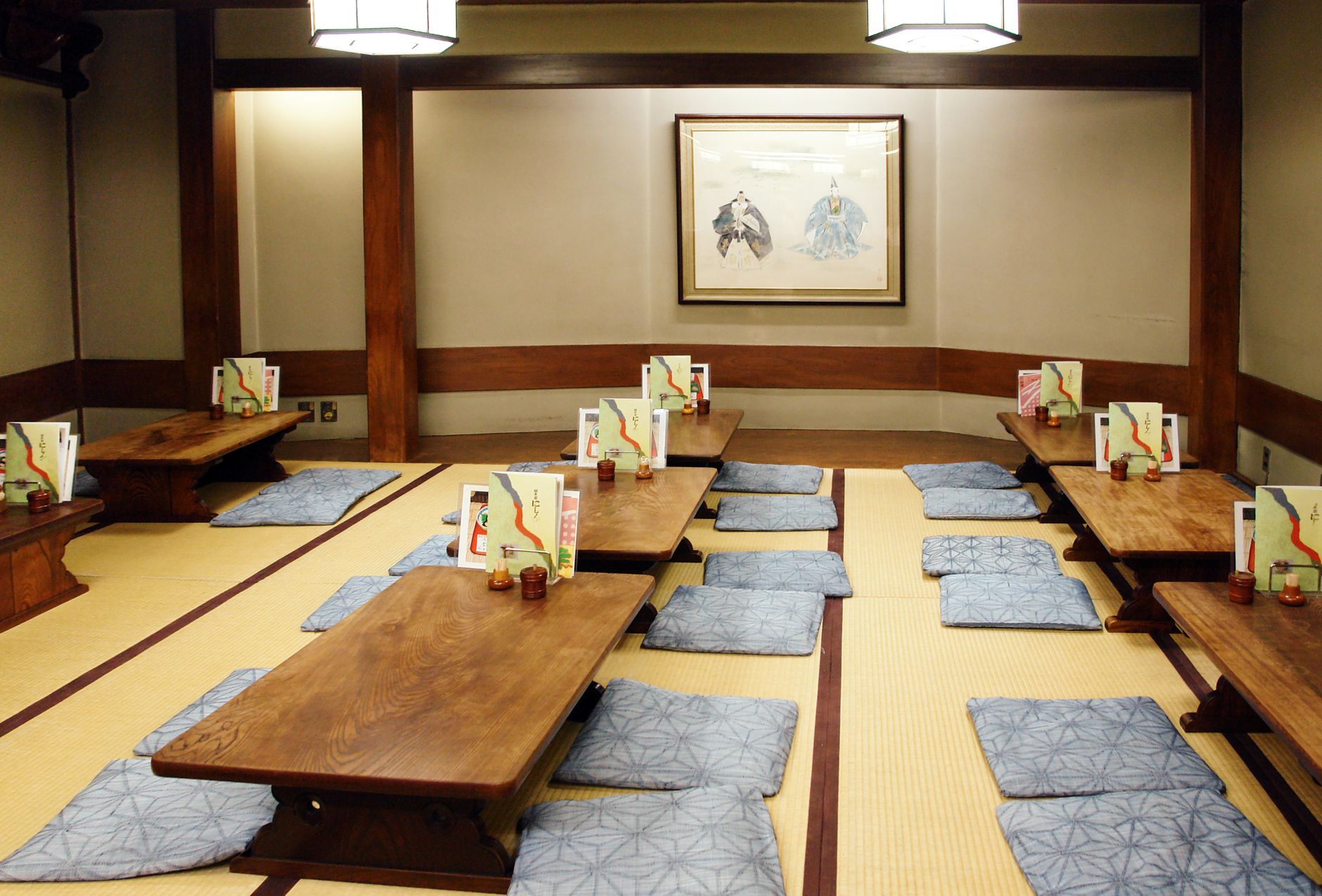
Beyond the stone pathways of Kyoto’s historic districts lies a timeless interior geography. Stepping over the raised threshold of an authentic ryokan requires shedding not merely your outdoor shoes, but the frantic urgency of the digital world. The aroma of freshly pressed tatami straw, blended with aromatic hinoki wood and subtle incense, immediately redefines sensory perception.
The Poetics of Spatial Restraint
In traditional Japanese architecture, space is not filled; it is carefully cleared to allow light and shadow to converse. Sliding fusuma screens, crafted from mulberry paper and unvarnished timber, diffuse daylight into a soft luminescence that soothes tired eyes. Everything within the guest quarters is deliberately low to the earth, cultivating grounding and deliberate movement.
“Hospitality here is not a performance of grandeur, but an invisible harmony where the guest’s needs are met before a single word is uttered.”
The Bath as Sacred Sanctuary
Thermal hot spring bathing, or onsen, transcends hygiene to become meditative restoration. Submerged in mineral-laden water within a cedar tub open to courtyard bamboo groves, the physical boundary between human consciousness and surrounding nature softly dissolves.